
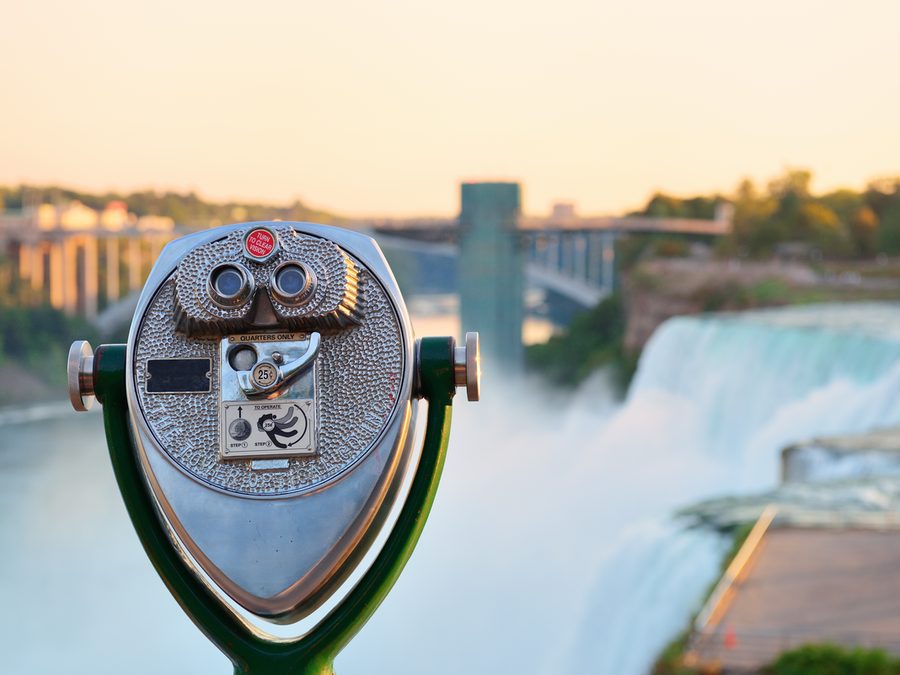
Niagara Falls, New York, is a city with a fascinating history shaped by natural wonders, early settlements, industrial development, and tourism. Located along the Niagara River in Western New York, the city has played an important role in American history and continues to attract visitors from around the world. If you want to discover more about the city's background and development, Read More about Niagara Falls, NY.
1. Early Settlement and Native American Heritage
Long before European settlers arrived, the Niagara Falls region was home to Indigenous peoples, particularly communities of the Haudenosaunee Confederacy. The Niagara River and surrounding land provided important natural resources, transportation routes, and opportunities for trade.
The region held cultural and economic significance for generations. Its waterways and natural surroundings helped shape the lives of the communities that lived there.
2. European Exploration and Early Development
European explorers began visiting the Niagara region during the seventeenth century. French explorers and missionaries documented the area's remarkable waterfalls and surrounding landscape.
Over time, European settlers established communities near the Niagara River. The area's location made it useful for transportation, trade, and early commercial activities.
During the early nineteenth century, settlements began developing around the waterfalls, creating the foundation for the modern city.
3. The Development of Niagara Falls as an Industrial City
One of the most important periods in the history of Niagara Falls was its industrial development during the nineteenth and twentieth centuries.
The Niagara River offered an enormous source of water power, attracting manufacturers and entrepreneurs interested in producing electricity and operating industrial facilities.
Hydroelectric power became a major part of the city's identity. The development of electricity transmission technology helped Niagara Falls become an important center for manufacturing, chemical production, and technological innovation.
4. The Creation of Niagara Falls State Park
The natural beauty of Niagara Falls eventually attracted increasing numbers of tourists. However, industrial development along the river threatened public access to the surrounding landscape.
Conservation supporters, including landscape architect Frederick Law Olmsted, advocated for protecting the area and making it accessible to everyone.
Their efforts led to the establishment of Niagara Reservation in 1885, now known as Niagara Falls State Park. It became the first state park in the United States and remains one of the region's most important landmarks.
5. Incorporation as a City in 1892
Niagara Falls officially became an incorporated city on March 17, 1892.
Its location near the waterfalls, access to transportation, and growing industrial economy contributed to its development. During the following decades, the city experienced significant population growth as manufacturing facilities and other businesses attracted workers.
By the middle of the twentieth century, Niagara Falls had become an important industrial community in Western New York.
6. The Love Canal Environmental Crisis
Another major chapter in the city's history involves the Love Canal neighborhood.
During the twentieth century, chemical waste disposal created serious environmental problems in the area. In the 1970s, residents raised concerns about contamination and potential health risks.
The situation attracted national attention and helped increase awareness of hazardous waste management, environmental protection, and public health.
The Love Canal crisis also influenced environmental policies and contributed to the development of federal hazardous waste cleanup programs.
7. Niagara Falls Today
Today, Niagara Falls combines its historical significance with tourism, local businesses, cultural attractions, and outdoor recreation.
Visitors explore Niagara Falls State Park, historic neighborhoods, museums, and attractions along the Niagara River. The city also continues working toward economic development and revitalization.
Its history remains visible in its architecture, industrial landmarks, historic districts, and natural surroundings.
Final Thoughts
The history of Niagara Falls, NY, is much more than the story of a famous waterfall. It reflects Indigenous heritage, European settlement, industrial innovation, environmental challenges, and the growth of American tourism.
From its early communities to the development of hydroelectric power and the creation of America's first state park, Niagara Falls has played an important role in shaping Western New York. Understanding its history provides a deeper appreciation of what makes this city unique.
Once you know how the city grew, it is easy to see why its green spaces matter so much. Take a walk through the top parks in Niagara Falls, NY to see the landscape that shaped this history in person.